

Fire and CCTV detection guides
Free, practical guides to adding AI smoke and fire detection to the CCTV cameras you already have. Start with the pillar guide to learn how video smoke detection works and where its limits are, or use the fire prevention plan checklist to check a waste site's plan against Environment Agency guidance.
Pick a guide
Each guide is written for UK sites, cites its sources and is honest about limits.
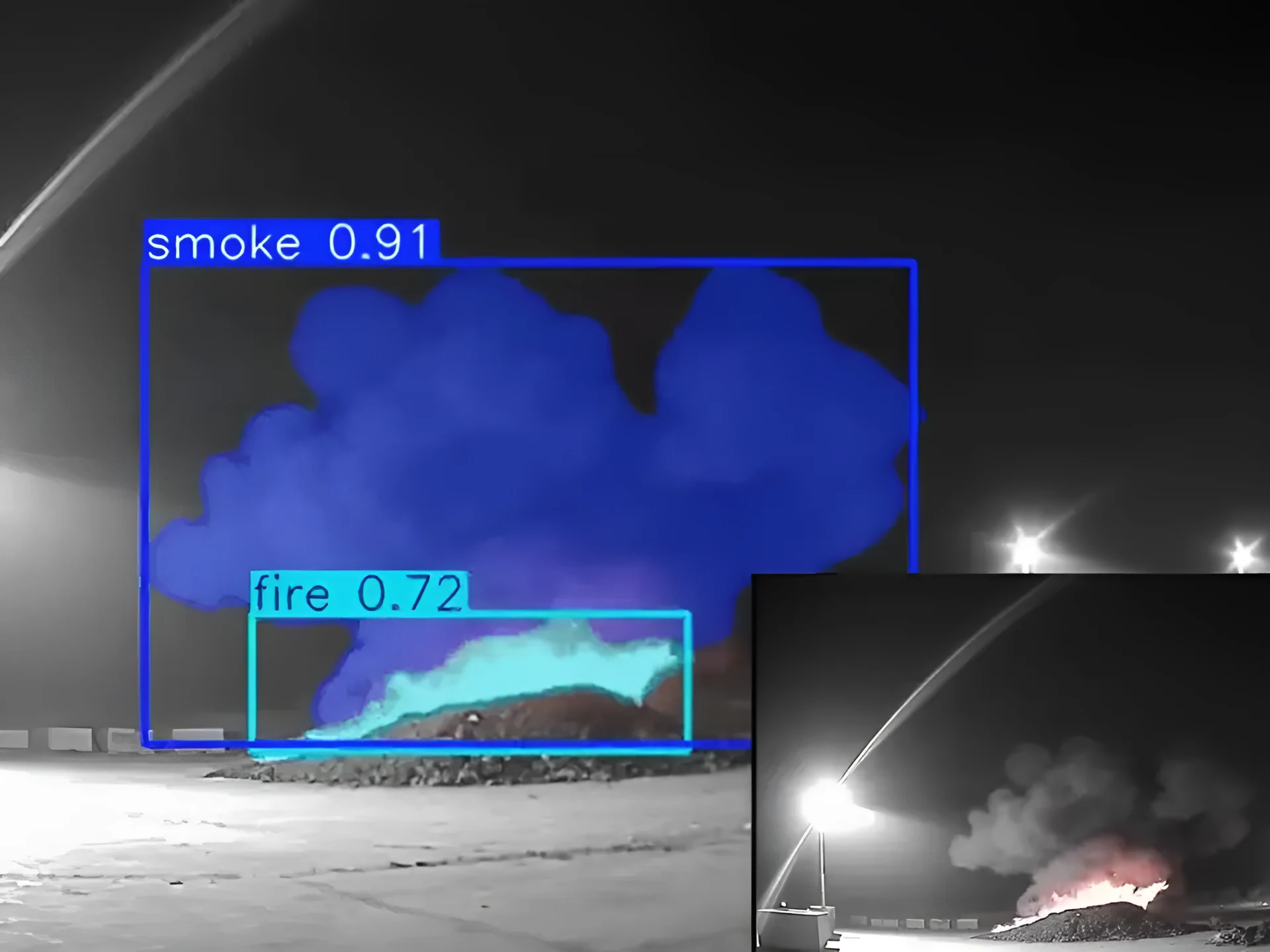
Video smoke detection on existing CCTV
Short answer: yes, AI can watch the cameras you already have for visible smoke and flame. The guide explains how it analyses each frame, which ONVIF and RTSP cameras and recorders connect, what it cannot see, such as heat inside a pile, and the steps to add it. It is written for site operators and installers weighing up camera-based detection.
Read the guide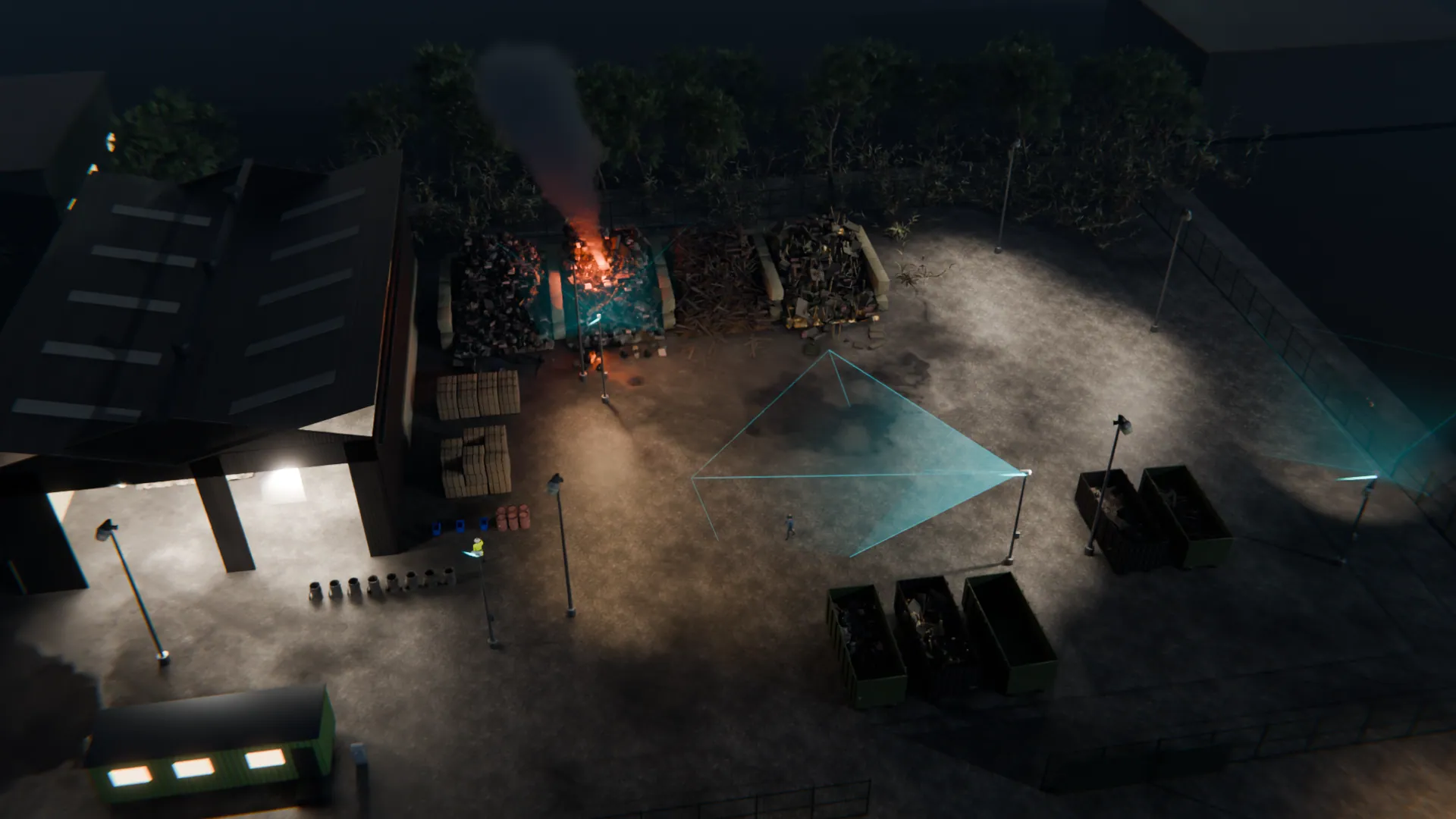
Fire prevention plan checklist for waste sites
Short answer: if you hold an environmental permit and accept combustible waste in England, the Environment Agency fire prevention plan guidance probably applies to you. The checklist walks through each section of the guidance, including early detection in and out of hours, so you can tick, save, print or email your progress.
Start the checklist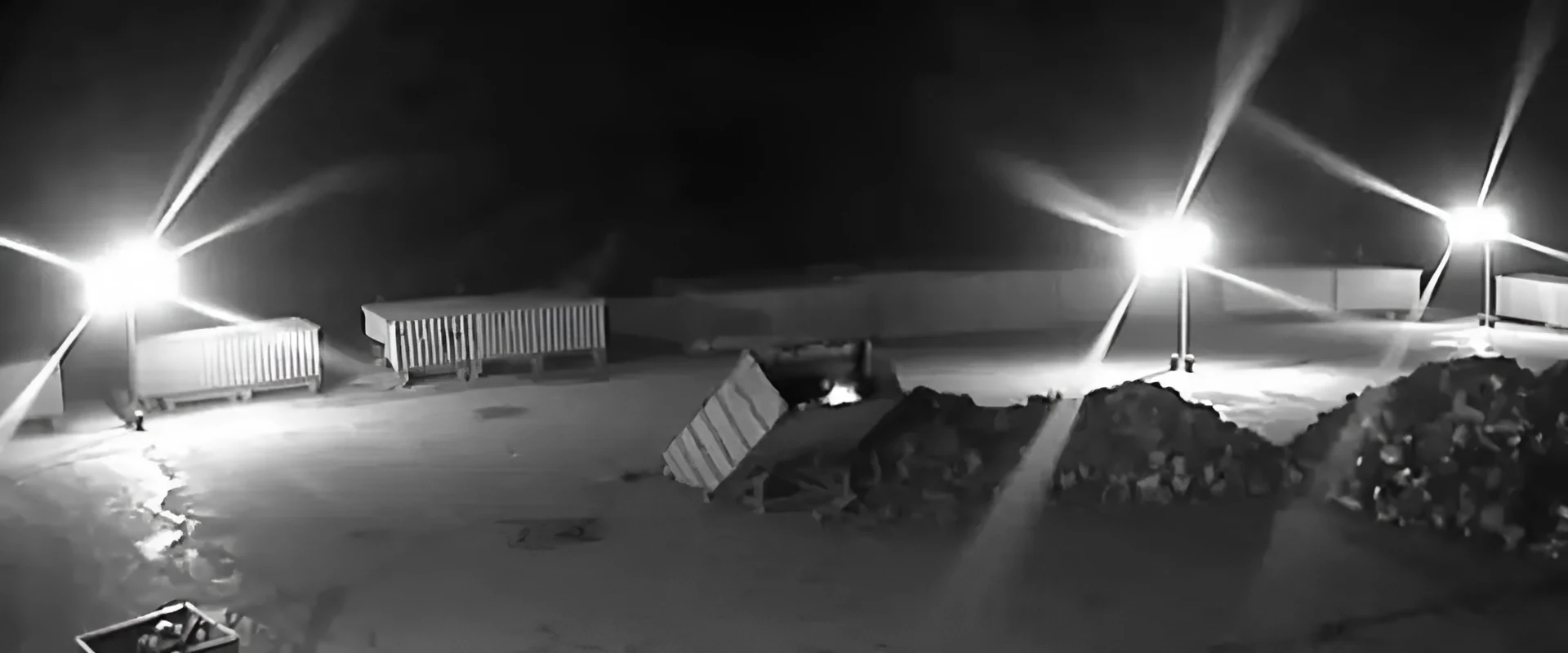
Waste site fires in the UK: key facts and sources
Short answer: fire services in England attended 256 industrial waste fires in 2025, according to MHCLG figures. The facts page gathers every waste fire figure we use, from MHCLG, NFCC, ESA and the Environment Agency, each with its source and the date we last checked it, so you can quote them with confidence.
See the facts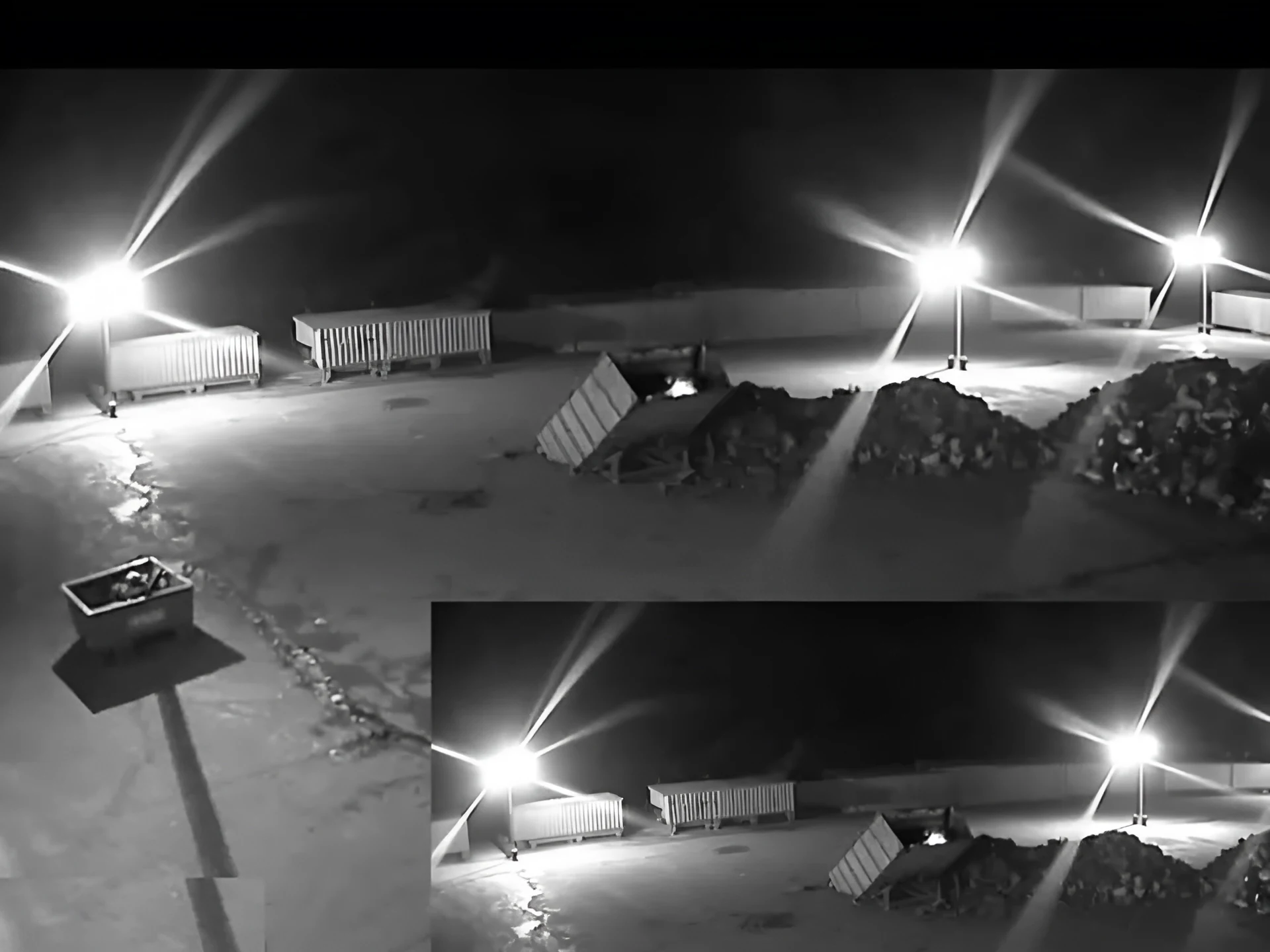
How to reduce CCTV false alarms
Why motion alerts fire on rain, spiders, headlights and shadows, six fixes to try first in order, why motion detection hits a ceiling, and how AI that classifies what it sees and learns each camera on your site cuts the noise. Includes an interactive cause picker and a checklist.
Read the guideAI CCTV and fire detection glossary
Plain-English definitions of the terms used across these guides, from ARC, edge server, ONVIF and RTSP to freeboard and lithium-ion thermal runaway. Search the list or jump by letter, and follow each term to the page that explains it.
Open the glossary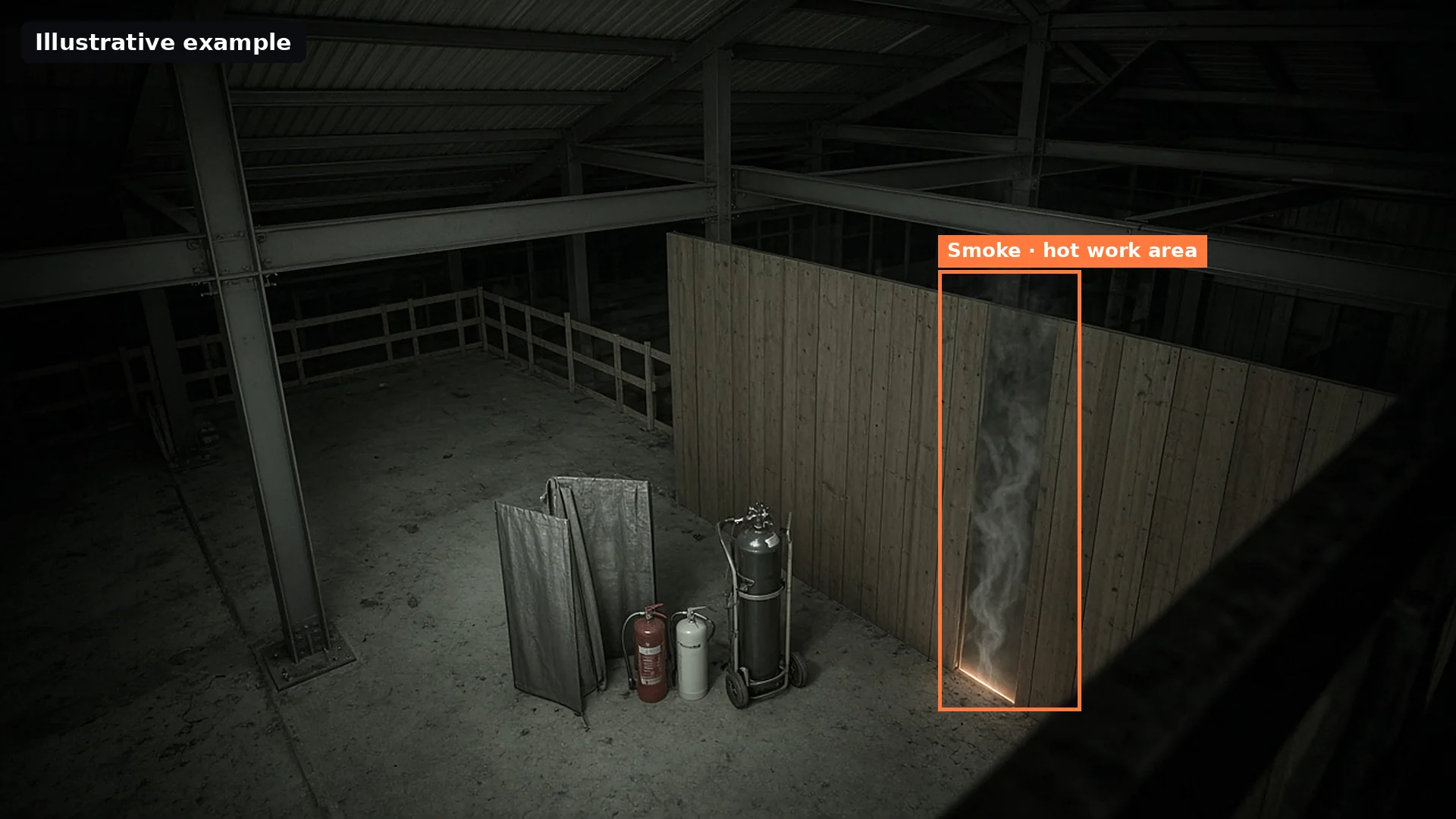
Hot works fire risk
What counts as hot work, the permit, clearing combustibles, extinguishers and the fire watch that carries on after the work stops, cited to HSE and FPA guidance. Includes a timeline and a checklist.
Read the guide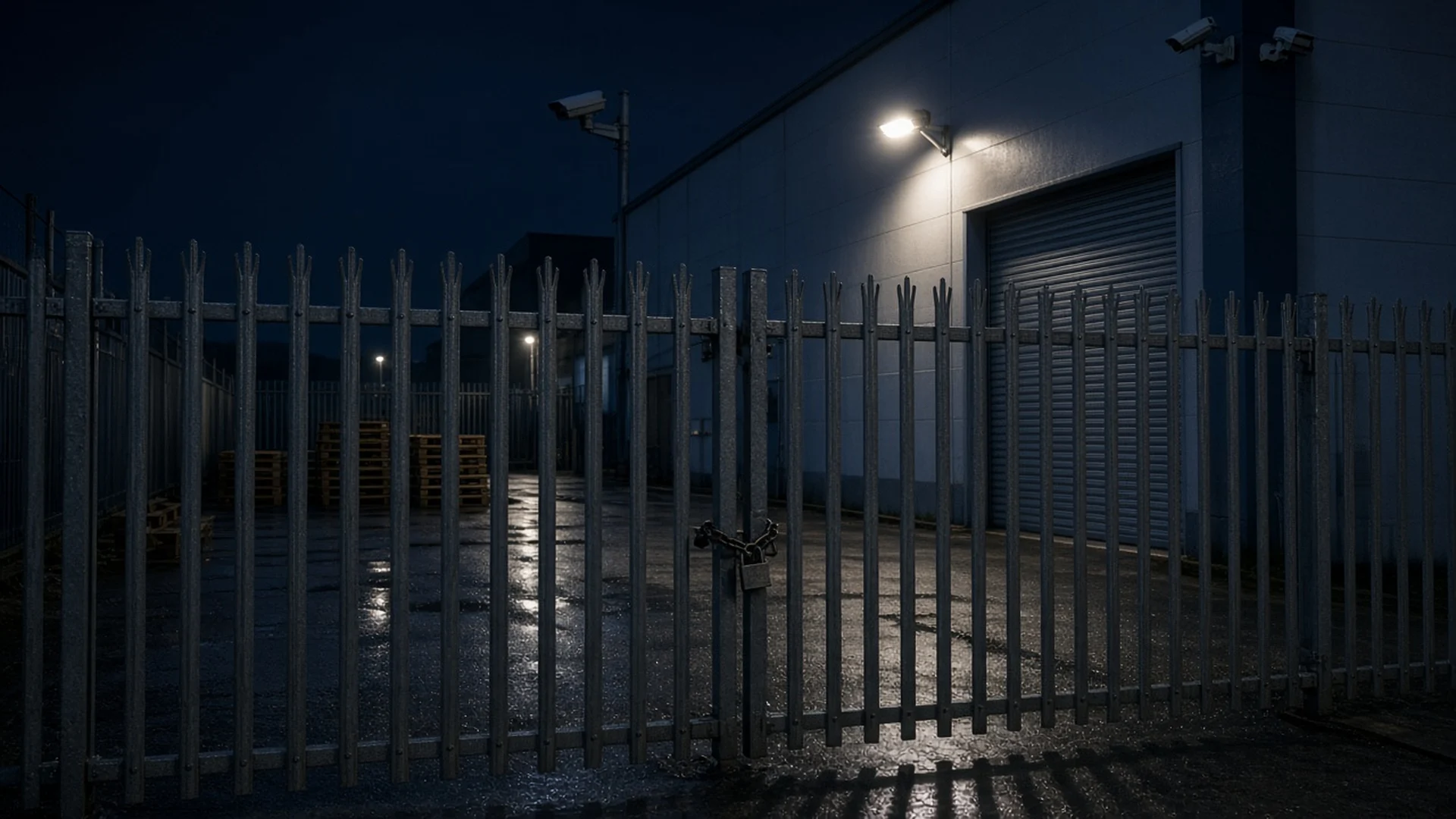
Out-of-hours site security checklist
A tickable, saveable checklist for locking up a commercial site: perimeter and gates, lighting, CCTV coverage and alerts, fire risks after hours, keyholders and lone working. Cites the Environment Agency, GOV.UK, HSE and ICO.
Open the checklistComparisons
Fair, side-by-side comparisons with no prices, to help you choose what suits your site. All of them are also on the comparisons hub.

Video AI vs thermal cameras vs on-camera analytics
Short answer: none is best for everything. Thermal cameras see heat in total darkness, video AI sees the smoke itself on cameras you already have, and on-camera analytics depends on the camera model. The comparison sets out when each fits, how they combine and includes a site selector.
Compare the options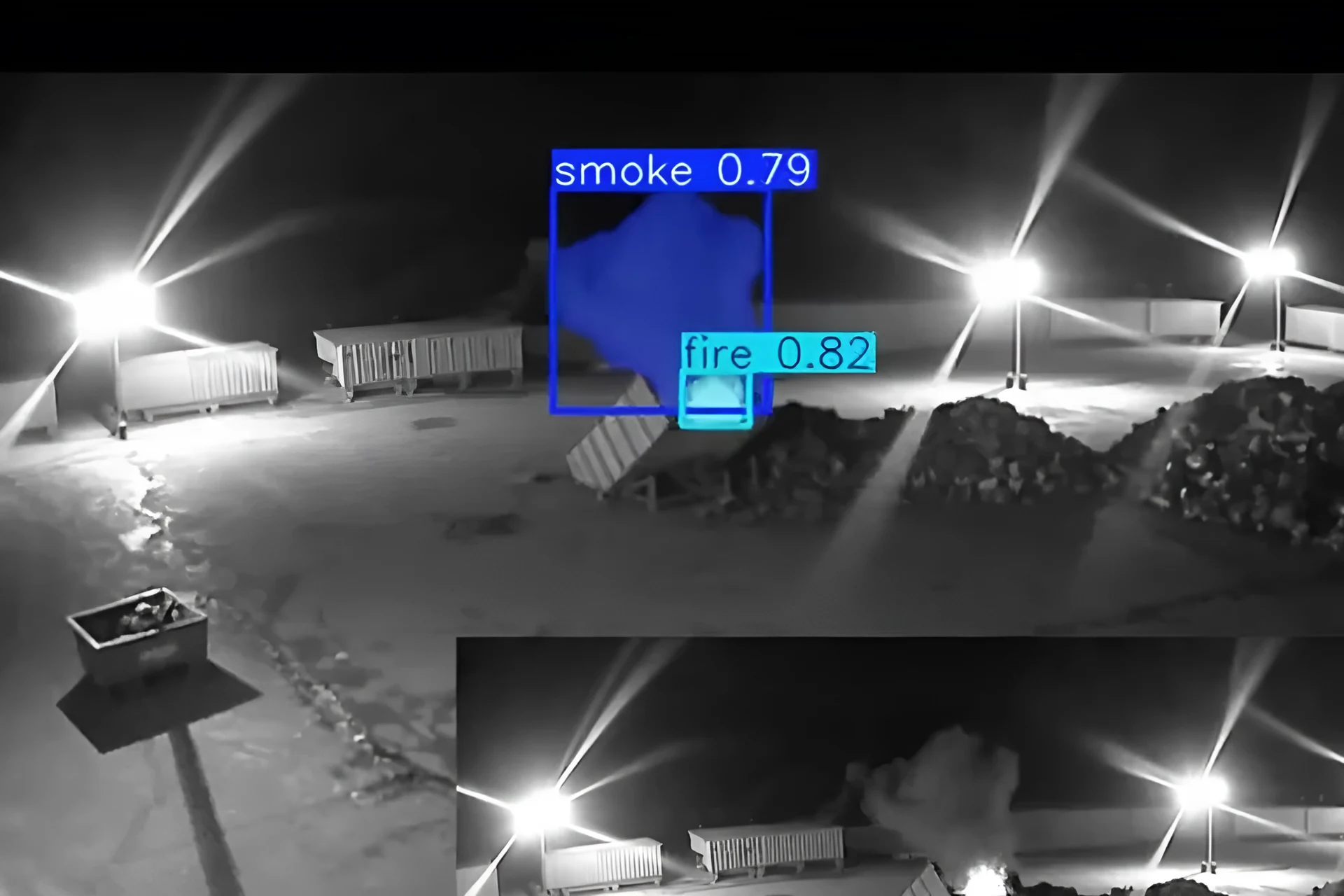
AI CCTV monitoring vs remote CCTV monitoring
Short answer: remote monitoring puts trained operators on your alarms, while AI on your existing cameras recognises what they see and filters out nuisance motion. The comparison explains how they differ, how they work together and includes a three-question selector. ARC and phone-call alerts are optional paid add-ons.
Compare them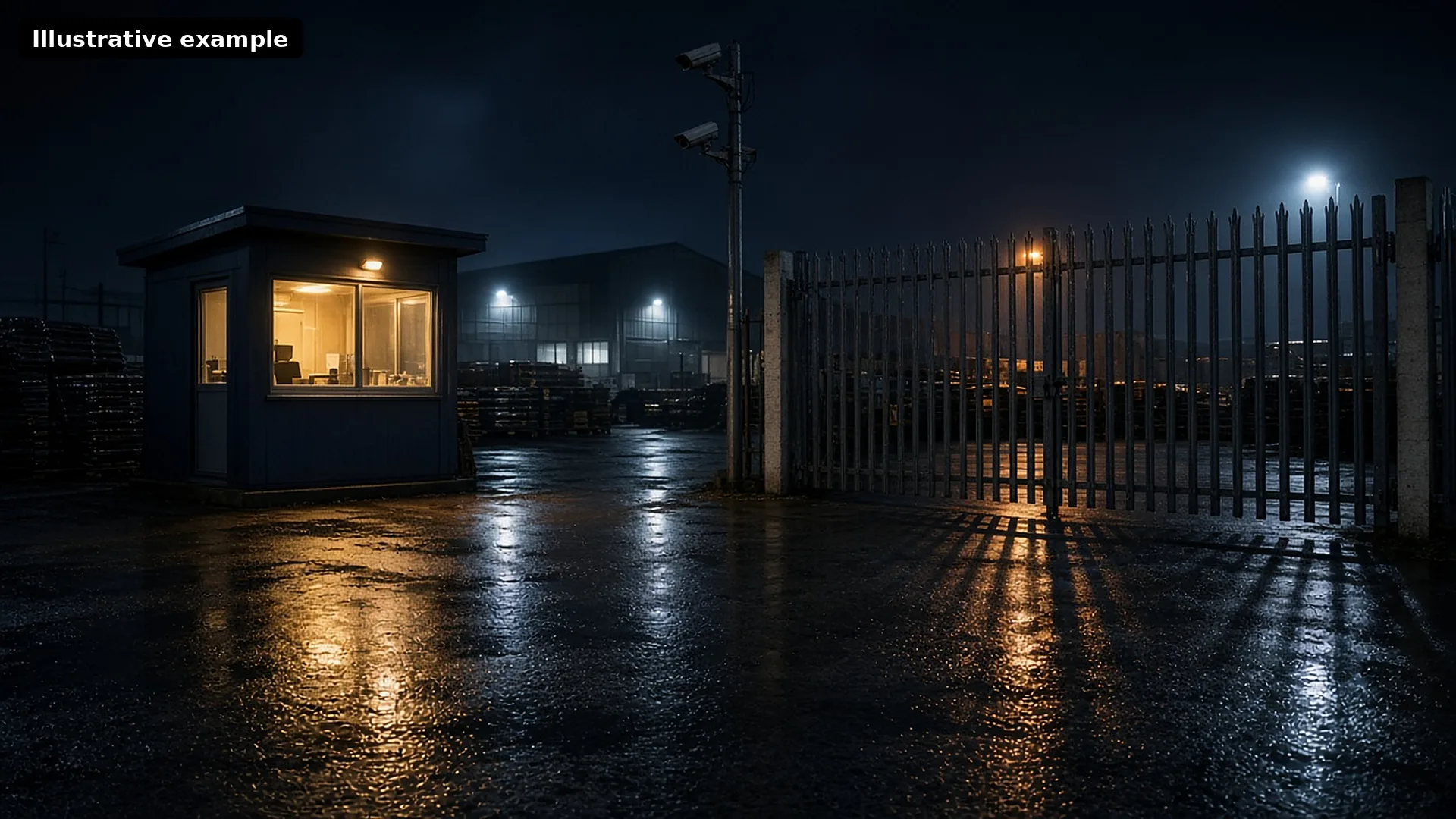
AI CCTV vs security guards
A fair comparison of guards and AI on existing CCTV: presence, coverage, judgement and response, and how AI alerts help guards and keyholders rather than replace them. Cites SIA, HSE and ICO guidance.
Read the comparisonPractical, sourced and honest about limits
Each guide is written for UK sites by the Woodcock AI team. We cite the original source for every figure and rule, link to the official guidance, and say plainly what camera-based detection cannot do. Video AI adds an early, visual warning to CCTV; it does not replace certified fire alarms or professional fire safety advice. Renders and diagrams are labelled illustrative, and real footage is labelled as real.
The guides are updated when the guidance or the figures behind them change, and each one shows when it was last reviewed. If you spot something out of date, or want a topic covered, tell us through the contact page. For quick answers about cameras, alerts, data and getting started, the Woodcock AI FAQ collects the most common questions in one place, and the how it works page explains the journey from camera to alert.
Which guide should I read first?
Are the guides free?
Where do the figures come from?
Do the guides replace professional fire safety advice?
Check what your cameras can do
A free site assessment reviews your cameras, recorder and the fire risks on your site, and recommends where detection should run.
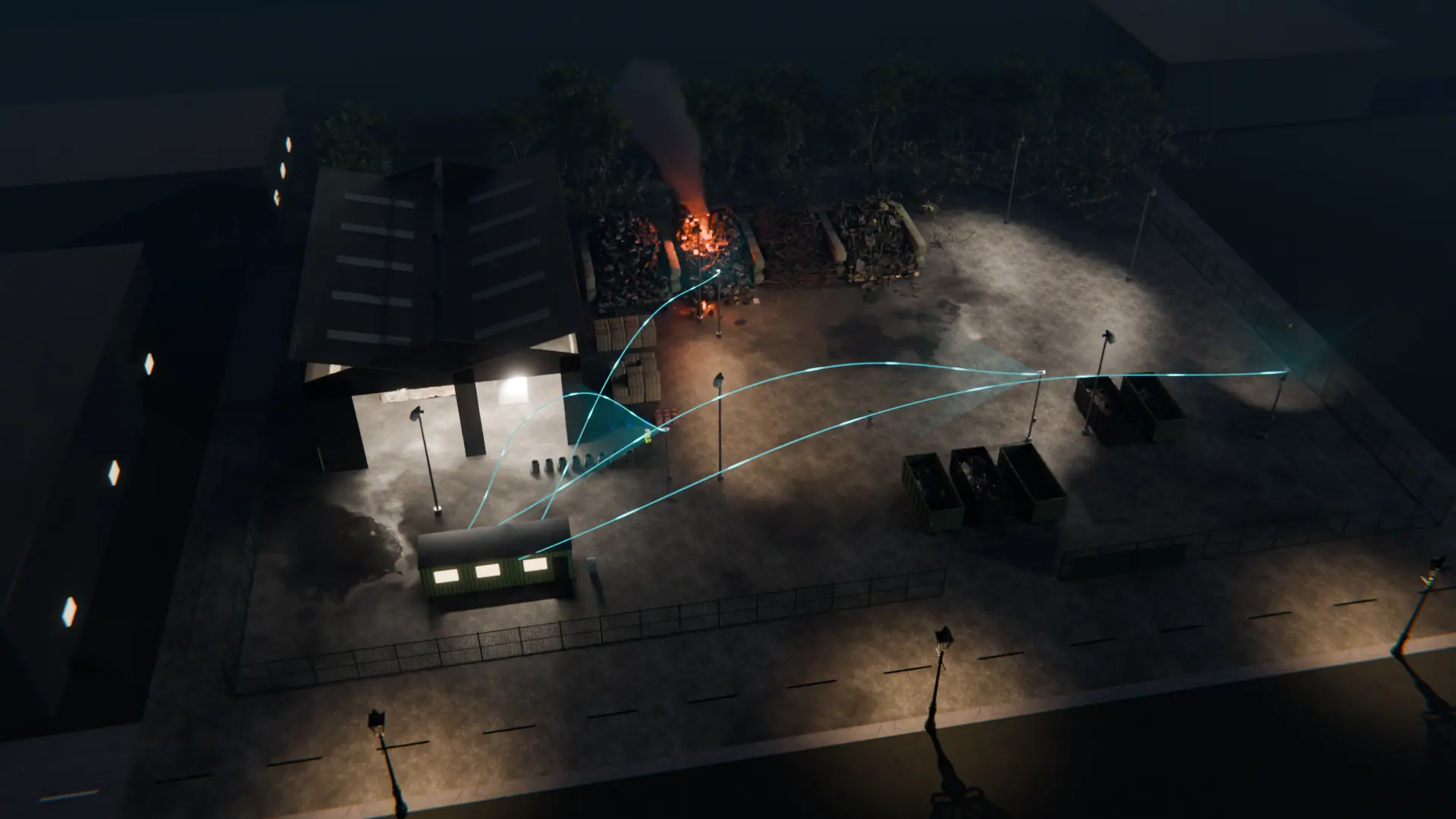
Illustrative 3D render