

Farm CCTV grants in the UK: what is funded in 2026
As of 30 October 2026, we found no UK farm grant that pays for a full farm security CCTV system. Wales funds an IP camera for monitoring livestock through SFS Optional: Capital Production and Efficiency, open until March 2027. England’s FETF 2026 and Northern Ireland’s SFIS Round 1 have closed with no CCTV item, and Scotland’s FFIS 2026 window is due to be announced in early November.

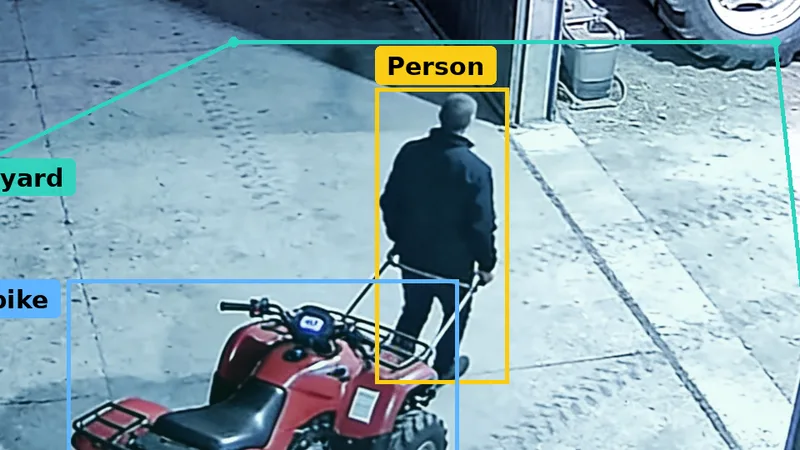
Last updated 30 October 2026. Farm theft is expensive and personal. A stolen quad bike stops stock checks, a stolen telehandler stops the yard, and a trailer that leaves in the night can take livestock with it. So it is natural to ask whether a grant will help pay for cameras. This guide gives the honest answer for England, Wales, Scotland and Northern Ireland, based on the official scheme pages as they stood on 30 October 2026. It explains the one camera that is on a current grant list, why that camera is not the same as a security system, and how to protect a farm without waiting for a grant that may not come. We have not quoted grant amounts, because rates change between rounds; always read the current guidance.
Is there a grant for farm CCTV in the UK?
Not for a full security system, as far as we can find. We read the item lists and guidance for the main capital grant schemes in all four nations. None of them, as of 30 October 2026, lists CCTV for farm security, intruder detection or theft prevention as an eligible item.
There is one exception worth knowing about. In Wales, the technical guidance for SFS Optional: Capital Production and Efficiency lists “cameras for monitoring livestock”. That is a camera for watching animals, for example in a lambing or calving shed. It is useful, and it is a camera, but it is not designed or funded as security for your yard, gates, sheds and fuel.
- England: the Farming Equipment and Technology Fund 2026 closed on 12 May 2026, with no CCTV or security item.
- Wales: SFS Optional: Capital Production and Efficiency is open until March 2027 and lists a livestock-monitoring camera. Applications for selection in the 2026/27 financial year must be in by 11 December 2026; later applications are considered for 2027/28.
- Scotland: the Future Farming Investment Scheme 2026 window is due to be announced in early November 2026; the October capital guide has no CCTV item.
- Northern Ireland: SFIS Round 1 closed on 3 September 2026, with no camera item on its list.
That may change. Item lists are rewritten for each round, and new schemes appear. The rest of this guide shows how to check, what to look for if a camera does appear on a list, and what to do in the meantime.
Why do farmers want help with security costs?
Because rural theft is still costly, and some of it is rising. NFU Mutual’s Rural Crime Report 2026, published in May 2026 and based on its claims, shows the cost of rural theft across the UK fell by 6% in 2025. That is welcome, but the detail is less comforting.
- Agricultural vehicles: the cost of agricultural vehicle theft claims rose 18%.
- Quads and ATVs: the cost of quad bike and ATV theft rose 31%.
- Livestock: the cost of livestock theft rose nearly 30%.
- GPS kit: the cost of GPS theft fell by 80%.
The GPS figure is the interesting one. It shows that theft falls when the target gets harder: when kit is marked, locked, removed at night or watched. Cameras that warn you while something is happening, rather than recording it for later, are part of making a farm a harder target. The NFU’s summary of the report covers the wider findings.
The cost is not only the claim. A stolen quad bike can mean missed stock checks. A stolen trailer or telehandler can stop work at the busiest time of year. Livestock theft means lost animals and broken breeding plans. And there is the worry of not knowing what is happening in the yard at night.
What is open where you farm?
Each nation runs its own farm grants, with its own timings, item lists and rules. Choose your nation to see where things stood on 30 October 2026, with a link to the official page.
Where is your farm?
The Farming Equipment and Technology Fund 2026 closed at midday on 12 May 2026. Its three themes were productivity, slurry, and animal health and welfare. We found no CCTV or farm security item in the 2026 lists; the camera items were crop tools, such as camera-guided sprayers and hoes, and a 3D weighing camera for poultry. Watch GOV.UK for the next round and read its item list when it opens.
FETF 2026 closed
Wales is the one place we found a camera on a current list. SFS Optional: Capital Production and Efficiency takes applications from 28 July 2026 until March 2027 through RPW Online, for farms that have made an SFS Universal Layer claim on the 2026 Single Application Form. Applications for selection in the 2026/27 financial year must be in by 11 December 2026; later applications are considered for 2027/28. The technical guidance lists cameras for monitoring livestock. It is an animal-watching camera, not a security system.
Open to March 2027
Scotland’s Future Farming Investment Scheme for 2026 has not opened yet; Rural Payments and Services says the application window will be announced in early November 2026. The October 2026 capital investment guide lists camera-guided hoes and sprayers but no CCTV or security item. Check the guide again when the window is announced.
Window due early November
Round 1 of DAERA’s Sustainable Farming Investment Scheme closed at 11.59pm on 3 September 2026. Its eligible item list had no camera or CCTV item. Look out for later rounds on the DAERA website, and read the item list each time, because lists change between rounds.
SFIS Round 1 closed
If no grant covers security on your farm, the lowest-cost route is usually to make the cameras you already have do more. Woodcock AI connects to most IP cameras over RTSP or ONVIF and watches the zones you draw: a line along the yard gate, the fuel store, the machinery shed, the grain store apron. You get an alert with the clip, in the app and by email.
Use the cameras you have
Checked against the official scheme pages on 30 October 2026. Schemes change, so always read the current guidance before you apply or buy.
A note on dates. Every date above comes from the official page for that scheme, read on 30 October 2026. Grant pages are updated often, sometimes with short notice, so treat this guide as a starting point and read the source before you act.
Is farm theft rising where you are?
NFU Mutual’s report breaks the figures down by nation and region, and the picture is mixed. In 2025, the cost of rural theft rose by 24% in Northern Ireland and by 14% in Scotland, while it fell by 21% in both Wales and the Midlands.
Regional totals swing from year to year, and one organised gang can move a figure on its own. The useful point for a single farm is simpler. Thieves target what is easy to take and easy to sell, and farms where the kit is out of sight, locked away, marked and watched are harder targets than those where it is not.
What does the Welsh livestock camera grant cover?
The technical guidance for SFS Optional: Capital Production and Efficiency, published on 28 July 2026, lists cameras for monitoring livestock. In our words, the specification asks for an IP camera suitable for outdoor use (IP66), with pan, tilt and zoom, day and night vision, infrared to at least 50 metres, at least 18x zoom, at least 1080p resolution, and an app for viewing on a phone, laptop or tablet. The same camera was listed in the earlier Small Grants – Efficiency window, which ran from 12 January to 27 February 2026.
The general guidance says applications are open from 28 July 2026 until March 2027, with no separate windows, and are made through RPW Online. You must have submitted an SFS Universal Layer claim on the 2026 Single Application Form. Applications for selection in the 2026/27 financial year must be in by 11 December 2026; later applications are considered for 2027/28. Read the guidance for scoring, payment rates, claim deadlines and other conditions, because those decide whether an application is worth making.
Two details matter if you are thinking of using a funded camera for security as well:
- It is a livestock item. The grant is for monitoring animals. Check the scheme rules on where the camera goes and how it is used before planning anything else for it.
- Pan, tilt and zoom changes the view. AI detection zones are drawn on a fixed view. If a PTZ camera is moved around during lambing, the zones no longer line up. If you also use it for detection, it needs a set position it returns to.
One more point from the same guidance: the calving detector item notes that CCTV is excluded from it. That is a reminder to read each item’s wording closely, rather than assuming anything with a camera is covered.
What about England?
In England, the main equipment grant is the Farming Equipment and Technology Fund. The 2026 round closed at midday on 12 May 2026. It had three themes: productivity, slurry, and animal health and welfare. The camera items in the 2026 lists were for crops and poultry, such as camera-guided sprayers and hoes and a 3D weighing camera system for poultry. We found no CCTV or farm security item.
Earlier FETF rounds have included a livestock monitoring camera, so it is worth checking each new round. When the next one opens, read the item list for the exact item and its specification rather than relying on a summary. GOV.UK’s funding for farmers page lists the schemes open in England at any time.
If you farm in England and need security now, do not wait for a round that may not include it. The section on existing cameras below explains the lower-cost route.
What about Scotland?
Scotland’s capital support for farmers and crofters is the Future Farming Investment Scheme. For 2026, Rural Payments and Services says the application window will be announced in early November 2026, and the Scottish Government has announced the scheme as support for farmers and crofters. The capital investment guide published in October 2026 lists camera-guided hoes and sprayers, but no CCTV or security item.
When the window opens, check the final guide and item list. If a security item appears, the checks in the next section still apply.
What about Northern Ireland?
DAERA’s Sustainable Farming Investment Scheme Round 1 closed at 11.59pm on Thursday 3 September 2026. The eligible item list, published on 10 July 2026, had no camera or CCTV item. Later rounds may have different lists, so read each one when it opens.
With rural theft in Northern Ireland up 24% in 2025 on NFU Mutual’s figures, many farms there will want better security this winter whatever the grant timetable.
What should you check before applying for any farm camera grant?
If a camera item appears on a list you are eligible for, these six checks save time and money:
- Find the live scheme. Use the official page: GOV.UK for England, gov.wales and RPW Online for Wales, Rural Payments and Services for Scotland, DAERA for Northern Ireland.
- Read the item list. Is the exact item listed, and is it for the purpose you want?
- Match the specification. Lists often set minimums such as weather rating, zoom, resolution and app viewing. A camera below the specification may not be paid for.
- Check you are eligible. Schemes may require registrations, claims or other conditions on your holding.
- Do not buy too soon. Some schemes only pay for items bought after an application is approved. Read the rules on timing before ordering anything.
- Plan the rest. A funded livestock camera covers one shed. Think about the gates, yard, sheds and fuel as well.
Your farm adviser, land agent or accountant can help with eligibility and the paperwork. If you want to know whether your existing cameras could do more first, a site assessment answers that before you spend anything.
How can you secure a farm without a grant?
Start with what you already have. Many farms have cameras, often fitted after a break-in, that record to a box in the office and are only looked at after something has gone. The cameras are there; what is missing is something that watches them at night and tells you when it matters.
Woodcock AI connects to IP cameras and recorders over RTSP or ONVIF, including Hikvision and most other mainstream makes, and detection runs on an edge server on site or on a cloud server. On a farm, the detections that matter most are:
- People in a zone you draw, such as the machinery shed, the fuel store or the grain store apron, at night. See intrusion detection.
- Line crossing: someone climbing a gate or crossing a line along a fence. See line-crossing detection.
- Vehicles: a vehicle on the track or at the gate when nobody is expected. See vehicle detection.
- Smoke and fire in hay and straw barns, silage clamps and workshops. See smoke and fire detection cameras.
When a detection happens inside a zone and inside its schedule, you get an alert in the app with a short clip, and an email. A detection can also trigger a siren on site. The clip is the point: at two in the morning you can see in seconds whether it is a fox, a neighbour’s dog, or someone wheeling your quad bike out of the shed.
Three things set Woodcock AI apart on a farm:
- Polygon detection zones. You draw the exact shape each camera should watch: the shed doorway, the fuel tank bund, the gate. Fields, livestock pens and the road are left out. See polygon detection zones.
- Self-learning. Every farm has its own headlights on the lane, moving stock, rain, mist and low sun. The system learns what is normal on each camera, which cuts the false alerts that make people switch notifications off.
- Years of development, now in use. Woodcock AI has been developed over several years and is in use on working waste, recycling and industrial sites today.
In a site assessment we look at each camera’s view, night picture and stream, and suggest new cameras only where there are gaps. Our farm CCTV page covers detection on farms in more depth, and the AI CCTV installation quote page explains how a quote is put together.
Where should farm cameras point?
Police rural crime teams give consistent advice. South Wales Police, for example, advises keeping fuel tanks visible and close to the farmhouse where possible, and fitting CCTV where a tank has to be isolated, along with fencing, lighting and locks. Building on that, the places most farms should cover are:
- The main gate and track. Almost every theft of a vehicle, trailer or livestock leaves this way. A line across the gate and vehicle detection on the track, armed at night, give the earliest warning.
- The machinery shed and workshop. Quads, tools and telehandlers. An intrusion zone on the doorway and the apron in front of it.
- Fuel and oil stores. Red diesel and heating oil are easy to sell. A zone round the tank and its bund.
- Livestock handling and loading areas. Where animals can be loaded quickly into a trailer.
- Hay, straw and silage. For fire as much as theft: smoke detection on stacks and clamps, day and night.
Our out-of-hours site security checklist covers lighting, fencing and locks alongside cameras, and the metal theft prevention guide covers scrap, cable and gates.
How do schedules work on a farm?
A farm is busy at odd hours. Lambing, calving, harvest and early milking mean people in the yard at times that would be suspicious on most sites. With Woodcock AI, each camera has its own schedule, and each detection type on that camera can follow it.
- The gate and track can arm vehicle and line-crossing detection from late evening until the first person is due in the yard.
- The machinery shed and fuel store can arm intrusion overnight, and on Sunday afternoons when the yard is empty.
- Hay, straw and silage cameras run smoke and fire detection around the clock.
You change the hours in the app whenever the farm year changes, such as through lambing, when the shed is busy all night, or at harvest.
Does better security help with insurance?
It can help the conversation, but we cannot promise a premium change, and nor can anyone else except your insurer. What insurers and police consistently advise is layered security: marking and locking kit, keeping it out of sight, good lighting, and CCTV over the places thieves target. Tell your insurer or broker what you have fitted and ask whether it makes a difference to your cover. Our guide to insurer expectations on fire detection covers the fire side.
What are the limits?
- Grant status changes. This guide reflects the official pages on 30 October 2026. Read the current guidance before applying or buying.
- A camera needs a view. It cannot see round corners, behind closed doors or across a dark field without infrared. Placement is everything.
- It needs a connection to alert you. Many farms have a basic broadband or 4G link. Alerts and clips need internet to reach phones, so we check bandwidth in the site assessment.
- It is not a certified alarm. AI CCTV adds early warning. It does not replace locks, marking, fire precautions or your insurer’s requirements.
- Animals and weather can cause alerts. Tight zones, schedules and self-learning keep them down, and the clip makes the rest quick to check.
We also have a feature for asking your cameras questions on the way: Ask your cameras is coming soon, early 2027. Everything else on this page is available now.
One point of safety that every police force repeats: do not go out to confront people. Watch the clip, call 999 if a crime is happening, and let the police deal with it.
Sources
- GOV.UK, Farming Equipment and Technology Fund (FETF) 2026 and Apply for FETF 2026 (closed).
- Welsh Government, SFS Optional: Capital Production and Efficiency, general guidance (28 July 2026).
- Welsh Government, SFS Optional: Capital Production and Efficiency, technical guidance (28 July 2026).
- Rural Payments and Services, Future Farming Investment Scheme guidance and FFIS 2026 Capital Investment Guide (October 2026).
- DAERA, Sustainable Farming Investment Scheme: key information and item list (10 July 2026).
- NFU Mutual, Rural Crime Report 2026 (May 2026); NFU, NFU Mutual rural crime report.
- South Wales Police, Rural crime prevention.
- GOV.UK, Funding for farmers, growers and land managers.
We have summarised these sources in our own words and have not quoted grant amounts. Always read the current versions. This page is general guidance, not financial or legal advice.
No grant for your farm’s security?
Book a site assessment and we will look at the cameras you already have, the gate, yard, sheds, fuel and barns, and plan zones, schedules and who gets which alert. Or ask for a live test on your cameras first: we connect two or three of them for about a fortnight.
Related pages
Frequently asked questions
Is there a grant for farm CCTV in the UK?
As of 30 October 2026, we found no UK farm grant that funds a full farm security CCTV system. Wales lists a camera for monitoring livestock in SFS Optional: Capital Production and Efficiency, open until March 2027. Schemes change, so check the current item lists.
Does FETF pay for CCTV in England?
The FETF 2026 round closed on 12 May 2026, and its item lists had no CCTV or farm security item. Check the item list for each new round on GOV.UK.
What camera does the Welsh grant cover?
The SFS Optional: Capital Production and Efficiency technical guidance lists cameras for monitoring livestock: an outdoor IP camera with pan, tilt and zoom, day and night vision, infrared, zoom, at least 1080p and an app for viewing. Read the guidance for the full specification.
Is there a farm grant in Scotland or Northern Ireland?
Scotland’s Future Farming Investment Scheme 2026 window is due to be announced in early November 2026; its October guide has no CCTV item. Northern Ireland’s SFIS Round 1 closed on 3 September 2026, with no camera item.
Can I add AI to the farm cameras I already have?
Usually, yes. Woodcock AI connects to IP cameras and recorders over RTSP or ONVIF, including Hikvision, and alerts you with the clip when it sees a person, vehicle, line crossing, smoke or fire in the zones you draw.
Should I buy cameras before my grant is approved?
Check the scheme rules first. Some schemes only pay for items bought after an application is approved, so buying early can mean the item is not funded.
Last reviewed 30 October 2026